Apple iPhone review verdict
An iPhone is a sensible long-term purchase for UK buyers when Apple’s connected hardware-and-software experience, switching tools and established service routes matter more than maximum platform choice. Apple presents the current range as a family spanning several price and feature positions, alongside regular iOS updates and support by phone, chat, store and app. That creates a straightforward ownership proposition for people already using Apple devices or moving from Android with a large amount of data to transfer.
The trade-off is that the decision should not be made on the name alone. Check the exact model currently sold in the UK, the price you will actually pay, and the likely repair route if something goes wrong. Apple offers official repair options, but the final fee follows inspection and authorised providers can quote their own prices. Independent repairability information is useful context, not a permanent league table: iFixit says its scoring rubric changes over time.
For most buyers, the best verdict is conditional: choose an iPhone if its ecosystem and support model fit your life; compare Android alternatives if openness, repair priorities or a different mix of devices matters more.
The iPhone range at a glance
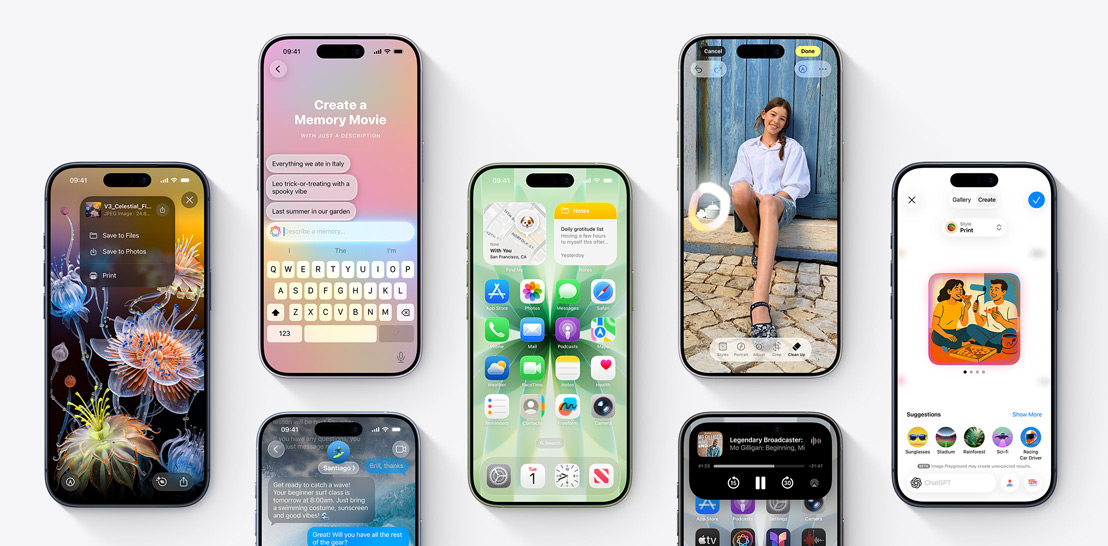
Apple’s UK iPhone page currently places iPhone 17 Pro, iPhone Air, iPhone 17, iPhone 17e and iPhone 16 in the range, with a comparison route alongside them. That is useful as a starting point, but it is not a substitute for comparing the exact handset before purchase. Availability, configurations and offers can change, and the right model depends on which features, storage option and payment route you need.
Rather than treating every iPhone as interchangeable, start by narrowing the family to the model that fits your budget and priorities. Then compare current information from Apple for that model, including its service eligibility and any finance terms you are considering. This approach avoids turning a brand-level review into an assumption that every device in the range offers the same value.
Apple also frames the range as part of a wider iPhone experience: iOS, accessories, migration support and support channels are all presented alongside the handsets. For a buyer choosing between brands, that broader ownership package can be as important as the phone itself.
Where iPhone ownership is strongest
The most persuasive case for iPhone ownership is convenience across an Apple-centred setup. Apple says it designs its hardware and software together, and highlights simple setup with compatible accessories plus features such as AirDrop for sharing nearby content. For someone already using Apple products, that integrated approach can reduce the number of decisions involved in day-to-day setup and use.
Switchers are another clear audience. Apple’s UK guidance says the Move to iOS app can transfer contacts, messages, WhatsApp content, photos, videos, email accounts, favourite apps and call history from an Android phone. No migration is entirely consequence-free, so a buyer should still check their essential apps, accounts and data before moving. But the existence of a named transfer path makes the change less daunting than starting from scratch.
Support access is also a practical strength. Apple points users to a Specialist by phone or chat, an Apple Store, the Apple Support app and the Tips app. It also says regular iOS updates keep iPhone feeling new for years. These are Apple’s own commitments and descriptions, rather than independent proof of how every person will experience performance over time. Even so, they give buyers a clear set of official places to begin when they need help.
Support and repair options
AI-generated generic editorial illustration — not a retailer product photo and does not depict the reviewed product or service. Clarify the distinction between official repair access and independent repairability assessment.
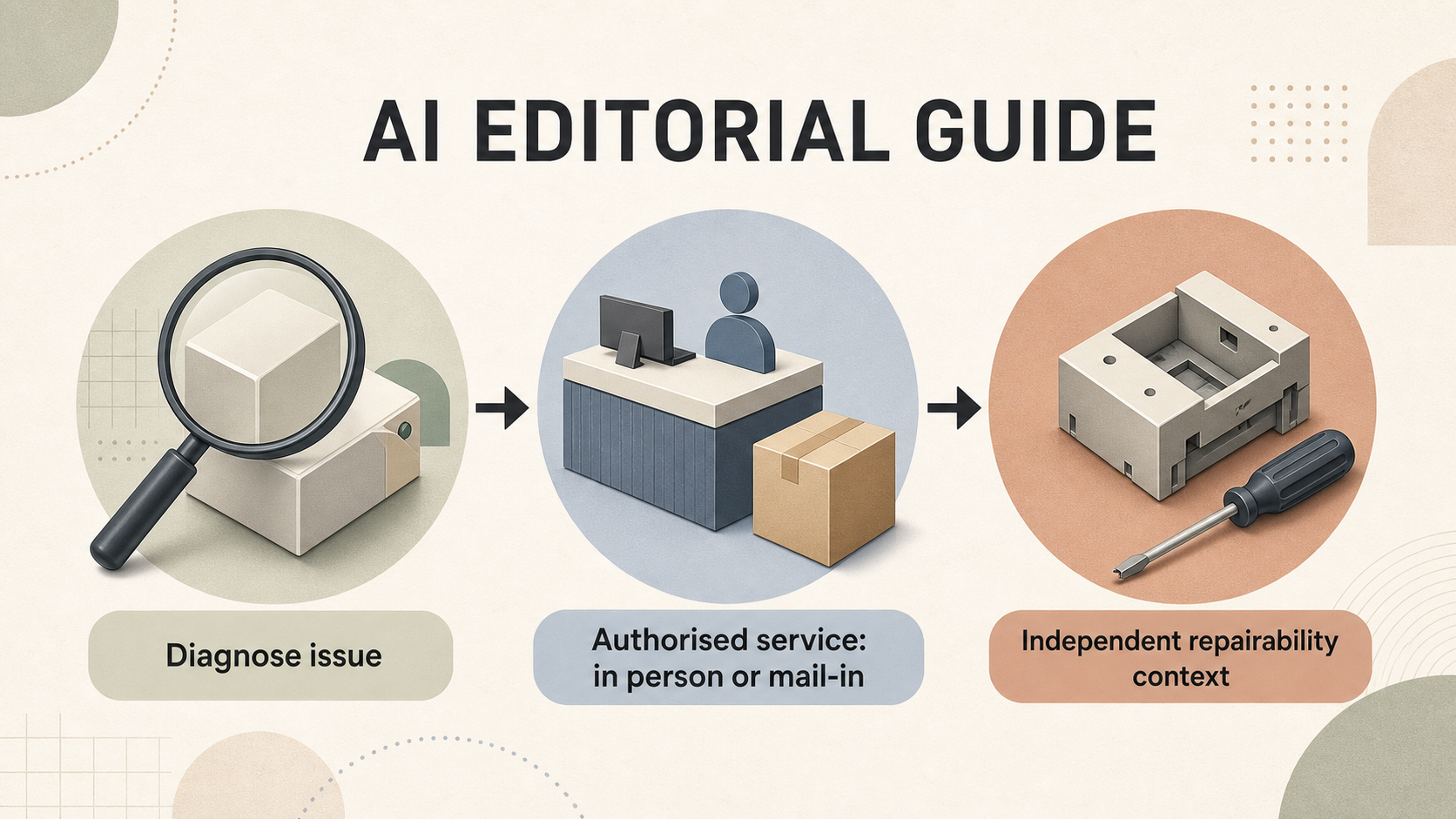
Apple provides several official UK routes when an iPhone needs service. Its repair page directs customers to begin by describing the issue, after which Apple can suggest solutions or help arrange repair or replacement. In-person support is available through a Genius Bar or an Apple Authorised Service Provider; Apple says trained technicians will inspect the phone and explain the options. Mail-in service is also available through a pre-paid delivery box, allowing a customer to post the device without making an appointment.
That access should not be confused with a fixed repair price. Apple says it needs to inspect the product to give a personalised estimate, that displayed out-of-warranty fees are estimates subject to VAT, and that a delivery fee may apply. Apple Authorised Service Providers can set their own service fees and provide their own estimates. Before relying on any route, confirm the exact model, damage type, coverage and quote.
Official service availability and independent repairability are related but different questions. The former asks whether there is a supported path to restore the phone; the latter asks how straightforward the device is to disassemble and repair. iFixit’s smartphone scores assess repairability from zero to ten using its teardown-based criteria, but it cautions that its rubric is updated frequently. Scores from different years may therefore not be directly equivalent outside their contemporaries. Use them as context for a specific model, not as a timeless verdict on the whole iPhone range.
Limitations to weigh before buying
The main limitation is not that an iPhone lacks a universal benefit; it is that the costs and compromises are highly model-specific. The purchase price, configuration, repair quote and any delivery fee need checking at the time you buy or seek service. Apple’s repair information makes clear that inspection determines the final service fee, so a generic statement that repairs will be cheap or expensive would not be well supported.
Buyers who prize broad platform flexibility should also pause before committing. Apple’s case is built around a closely integrated experience, which can be attractive when it matches the devices and services you already use. If you prefer to make different choices across phones, accessories and software services, an Android comparison may better test whether that integration is a benefit for you or a constraint.
Repair-conscious buyers should separate access from ease. Apple offers official in-person and mail-in support, but independent repairability is a separate assessment with a methodology that can change. Check the evidence for the exact handset you are considering and ask for a service estimate where relevant. This review does not claim a model-by-model ranking for repairability, battery life, cameras or everyday speed because the supplied evidence does not establish those comparisons.
Alternatives worth comparing
Android alternatives are worth comparing when the iPhone ownership model is not the obvious fit. That may include buyers who want to assess a wider range of device and service choices, those who want to investigate repairability model by model, or those whose budget depends on a current deal rather than a brand preference.
Keep the comparison practical. Start with the current price of the exact iPhone and the exact Android phone under consideration. Then compare support terms, available repair arrangements, likely out-of-warranty costs where published, and compatibility with the apps, accessories and people you rely on. Apple’s range and switching guidance show what Apple is offering; they do not establish that every buyer should prefer it.
There is no need to treat this as a brand contest. Apple provides a migration route from Android, which means switching can remain an option later as well as now. Conversely, an existing Apple user should still check whether the latest model and its service terms justify upgrading. The better choice is the one that fits your actual data, support and flexibility needs after those checks, rather than the one with the strongest broad marketing claim.
Who should buy an iPhone
An iPhone is likely to suit existing Apple users who value an integrated setup and want the simplest path to compatible accessories, nearby sharing and Apple support. It can also suit Android switchers who want an official migration route for important data such as contacts, messages, photos and WhatsApp content.
Repair-conscious buyers can still consider iPhone, but should make service eligibility and a model-specific repair check part of the purchase decision. Apple’s in-person and mail-in routes provide a clear official starting point, while iFixit’s work can help frame the independent repairability question. Neither source removes the need to check the particular handset and the issue it may face.
Value-focused buyers should resist a blanket recommendation. Compare the current model price, available configurations, finance terms if relevant, and the likely costs of ownership. If those checks point to iPhone and Apple’s ecosystem is useful to you, it can be a strong fit. If flexibility or a different repair arrangement matters more, compare Android options before deciding.
How we assessed iPhone ownership
This review uses Apple’s UK iPhone and repair pages to establish the range Apple currently presents, its migration and support claims, and its stated repair pathways. It uses iFixit’s repairability-score explanation to distinguish independent repairability analysis from official service availability and to note that repairability rubrics can change over time.
The evidence supports an ownership-focused assessment, not a hands-on test. We have not claimed personal use, laboratory testing, camera comparisons, battery measurements, benchmark results or a model-by-model ranking. Current pricing, exact availability, individual repair fees and service eligibility should be confirmed directly with Apple or an Apple Authorised Service Provider before purchase or repair.
Frequently Asked Questions
Does Apple offer iPhone repair options in the UK?
Yes. Apple says UK customers can start an iPhone repair request online, receive in-person support at a Genius Bar or Apple Authorised Service Provider, or use mail-in service with a pre-paid delivery box. The final service fee depends on inspection, and authorised providers can set their own fees.
Are iPhones easy to repair?
That depends on the specific model and on what “easy” means. Apple offers official repair routes, which addresses service access. Independent repairability is a separate question: iFixit uses teardown-based scores, while warning that its criteria change over time. Check the exact model and the scorecard context rather than applying a single label to every iPhone.
Should I choose an iPhone or an Android phone?
Choose iPhone when Apple’s integrated experience, official migration path and support routes match your priorities. Compare Android alternatives when broad platform flexibility, a different repair approach or a model-specific value comparison matters more. In either case, verify the current handset price, support terms and repair arrangements before buying.
Sources
Related reading
- Best smartphone brands for UK buyers: Apple, Samsung, Motorola and Fairphone compared for long-term ownership
- Apple iPhone vs Samsung Galaxy for UK buyers: ecosystem, support, repair options and long-term value
- Samsung Galaxy ownership review: range, support, self-repair options and practical limits
- How to identify a genuine smartphone deal: price, support, condition, returns and total cost
Editorial information: About our editorial team · Read our editorial policy · Read our affiliate disclosure.