Verdict: Choose the Ecosystem That Fits How You Keep a Phone
There is no defensible overall winner for every UK buyer. An iPhone can be the more natural choice if you already use Apple devices and value a tightly integrated setup, Apple’s stated ongoing iOS updates, and its UK support channels. A Samsung Galaxy can make more sense if you want to choose across the Galaxy S, Z and A series, or if Samsung’s connected Galaxy device range better matches what you already own.
Treat this as an ownership decision, not a launch-specification contest. Before buying, check the exact model’s software-support terms, repair route, parts availability, trade-in offer and total price. Independent repairability scores are useful, but they should be compared among contemporaries and with their scoring rubric in view.
What This UK Ownership Comparison Covers
This guide compares Apple iPhone and Samsung Galaxy as current UK manufacturer ecosystems. It does not claim that one unnamed model is faster, more durable or cheaper to own than another. Those answers depend on the specific handset, storage option, retailer, repair need and the devices already in your household.
Apple’s UK iPhone page presents a current range including iPhone 17 Pro, iPhone Air, iPhone 17, iPhone 17e and iPhone 16, alongside switching guidance, support options and update messaging. Samsung’s UK smartphone page presents Galaxy S, Galaxy Z and Galaxy A Series, plus a wider connected Galaxy proposition. These are useful official signals about range and support routes, but they remain manufacturer information rather than independent rankings.
Repairability deserves a separate lens. iFixit says its engineers assess phones from zero to ten and that its rubric changes over time. A score from one period may therefore not be directly equivalent to a score made under a later version of the methodology.
Where an iPhone Can Make Sense
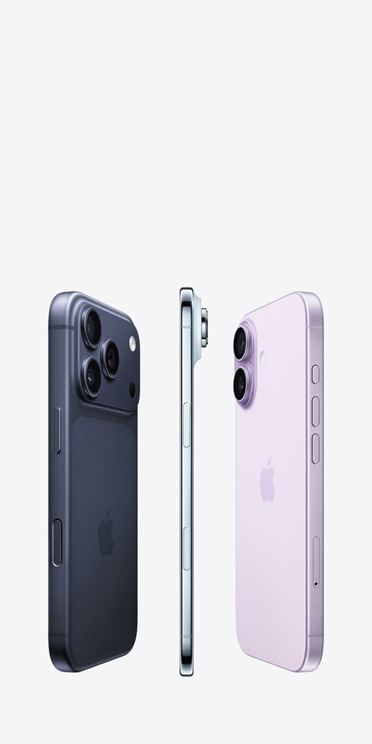 An iPhone is worth shortlisting when Apple’s ecosystem is already part of your routine. Apple says it designs hardware and software together, describes one-tap AirPods setup and AirDrop sharing, and provides a Move to iOS route for transferring data from Android. For someone who uses Apple accessories, shares with nearby Apple users, or wants a familiar setup across devices, that continuity can reduce switching friction.
Apple also describes several UK help routes: a Specialist by phone, online chat, an Apple Store, the Apple Support app and the Tips app. Its iPhone page says regular iOS updates keep phones feeling new for years. That is a reason to investigate the exact model’s current support position, not a substitute for checking the support policy before purchase.
Apple’s durability and retained-value statements should likewise be read as Apple’s own claims. The site promotes Ceramic Shield protection and says iPhone holds value longer than other smartphones. A buyer deciding on long-term value should verify the particular handset’s condition, resale market, repair quote and trade-in terms rather than assume the same outcome for every iPhone.
If you are moving from Android, Apple’s stated transfer process may make the switch easier. If you depend on Android-specific services or devices, make a compatibility list before committing.
Where a Samsung Galaxy Can Make Sense
 A Samsung Galaxy is worth shortlisting when range choice is central to the decision. Samsung’s UK shop groups its phones into Galaxy S, Galaxy Z and Galaxy A Series. That breadth gives a buyer a practical starting point: establish the budget and form factor you need, then compare the relevant series rather than treating every Galaxy as the same ownership proposition.
Samsung also promotes the connected power of Samsung Galaxy across phones and other Galaxy products. That can be relevant if you already use, or plan to use, a Galaxy Watch, Buds, tablet or other compatible device. It is a fit consideration rather than proof that the ecosystem will be best for everyone.
Read the qualifications attached to individual features. Samsung states that some AI features may require a Samsung Account login, that actual UX/UI may differ, and that some products are sold separately. Its Running Coach example also has specified phone, app, account and watch requirements. Check these conditions for the exact phone and services you expect to use.
The sensible Galaxy route is therefore model-first within a broad portfolio: compare the selected S, Z or A handset’s support, repair options, storage, price and connected-device requirements before you buy.
Trade-Offs and Limits to Check Before You Buy
The main compromise is commitment. Moving platform can mean transferring data, learning new settings and checking whether paid apps, accessories, cloud storage, messaging habits and household devices continue to work as expected. Apple presents Move to iOS as a transfer route; Samsung presents a connected Galaxy ecosystem. Neither statement eliminates the need to test your own dependencies.
Range complexity is another cost. Apple’s current UK page lists several iPhone lines, while Samsung’s portfolio spans S, Z and A Series. A broad range can help you find a better fit, but it can also make an attractive headline feature look more universal than it is. Compare the exact device, not the brand banner.
Do not turn marketing into an independent conclusion. Apple’s update, durability and value language is Apple’s; Samsung’s connected-device language is Samsung’s. For repairability, iFixit’s independent scores are more relevant than either brand’s promotional copy, but iFixit warns that the rubric evolves. Use model-specific scorecards, note their version, and compare phones scored in a similar period.
Apple iPhone vs Samsung Galaxy: Ownership Decision Matrix
| Decision area | iPhone: evidence-backed signal | Galaxy: evidence-backed signal | What the buyer should decide |
|---|---|---|---|
| Ecosystem fit | Apple describes integrated hardware and software, AirPods setup, AirDrop and a Move to iOS transfer route. | Samsung presents Galaxy S, Z and A Series and a connected Galaxy proposition. | Which existing devices, accounts and sharing habits do you need to preserve? |
| Current range | Apple’s UK page lists iPhone 17 Pro, Air, 17, 17e and 16. | Samsung’s UK page groups phones into Galaxy S, Z and A Series. | Start with budget, screen/form-factor needs and storage; then compare actual models. |
| Support route | Apple lists phone, chat, Apple Store, Support app and Tips app routes. | The supplied Samsung page establishes the UK range, but not a complete repair/support comparison for every model. | Confirm the model’s UK warranty, authorised repair route, parts and local service availability. |
| Software continuity | Apple says regular iOS updates keep iPhone feeling new for years. | The supplied Samsung evidence does not establish a portfolio-wide software-support duration. | Check the manufacturer’s current model-specific support terms on the day you buy. |
| Feature conditions | Apple describes ecosystem features and switching tools. | Samsung notes that some features need a Samsung Account, compatible products or specified software. | Identify account, accessory and service prerequisites that matter to you. |
| Repairability | No universal claim can be drawn from Apple’s range page. | No universal claim can be drawn from Samsung’s range page. | Use independent model scorecards; compare contemporaries and their rubric versions. |
| Long-term value | Apple states that iPhone holds value longer than other smartphones. | No equivalent portfolio-wide claim is established by the supplied Samsung evidence. | Treat resale and trade-in as model-, condition- and market-specific checks. |
The matrix deliberately separates what the sources say from what only you can decide. A good shortlist may contain one iPhone and one Galaxy rather than an entire brand. Price them with the storage you need, find realistic repair and resale information, and check any service conditions that would change your daily use.
[Compare your ownership priorities before choosing a phone]
Alternatives for Buyers With Different Priorities
If neither ecosystem fits, widen the search rather than forcing a two-brand answer. Buyers who place repair access first should compare current independent repairability information alongside official parts, instructions, warranty and authorised-repair details for each candidate. iFixit’s explanation is especially useful for understanding what a score measures and why score dates and rubric versions matter.
A different platform, a refurbished purchase or a model chosen for a specific retailer’s service arrangement may be more appropriate for some buyers. The right alternative depends on what you are optimising: easier repair, a lower upfront price, a particular accessory, less ecosystem dependence or a familiar operating system.
Avoid ranking alternatives from a single repairability score or an old review. Build a model-level shortlist, then check the current UK sales terms and the evidence relevant to your priority.
Frequently Asked Questions
Is an iPhone or Samsung Galaxy better for long-term ownership in the UK?
Neither is automatically better. Apple presents integrated setup, multiple support routes and regular iOS updates; Samsung presents a broad Galaxy S, Z and A portfolio and connected Galaxy devices. Choose the ecosystem that fits your existing devices, then verify the precise model’s current support, repair and ownership terms.
Can repairability scores be compared directly between all iPhone and Galaxy models?
Not reliably. iFixit says it updates its scoring rubric, so older scores may not match a later assessment exactly. Compare model-specific scores from a similar period and inspect the scorecard version and criteria before drawing a conclusion.
What should I check about software support and repair options before buying?
Check the exact handset’s current software-support terms, warranty, authorised repair route, parts and instruction availability, and likely repair cost in the UK. The supplied Apple page contains update and support messaging; the supplied Samsung page does not establish a universal support duration for every Galaxy model.
Should I choose a phone for its ecosystem or its current model specification?
Use both, in that order: rule out ecosystems that create unacceptable switching or compatibility costs, then compare the specific models that remain. A feature advertised for a range may require an account, separate product or compatible software, so verify the individual handset and your intended setup.
Sources
Related reading
- Best smartphone brands for UK buyers: Apple, Samsung, Motorola and Fairphone compared for long-term ownership
- Apple iPhone ownership review: strengths, support, repair options, limitations and alternatives
- Samsung Galaxy ownership review: range, support, self-repair options and practical limits
- How software support and repair options shape a smartphone's useful life
Editorial information: About our editorial team · Read our editorial policy · Read our affiliate disclosure.